Understanding the Evolution of Watch Straps from 1930’s to 1970’s, and Why This is Relevant Today - Part 1 (English ver.)
Written and photographed by Scott Kim (@acierinox_watches), a Rarefied Seoul contributor.
Edited by Jay Chang
The strap contributes more to the experience of wearing a watch than most people realise. It often covers more wrist than the watch itself, and its thickness, lining, and finishing can affect overall comfort just as much as case thickness does. Anyone who spends time with vintage watches will understand that the strap plays a major role in setting the overall tone and balance of the watch.
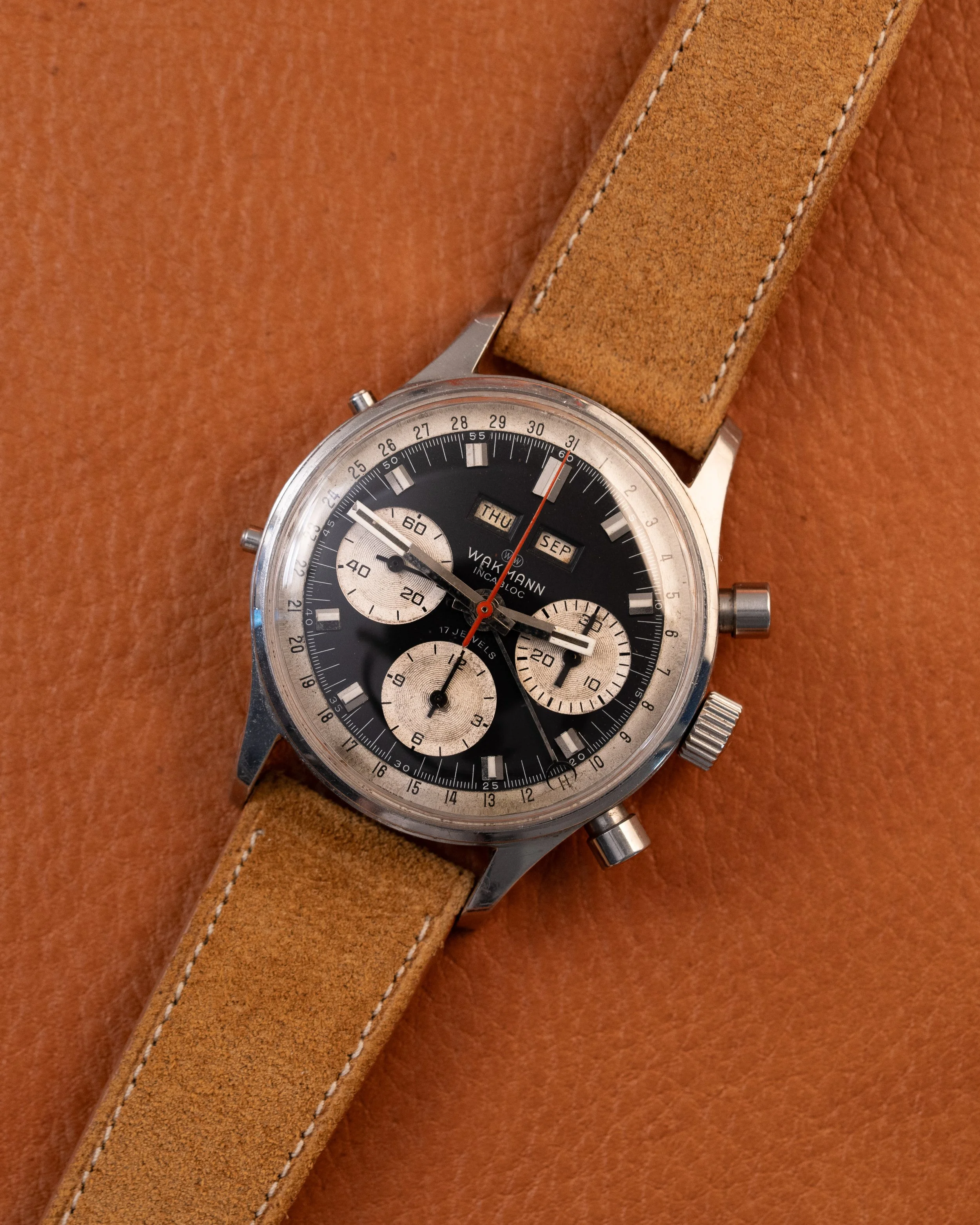
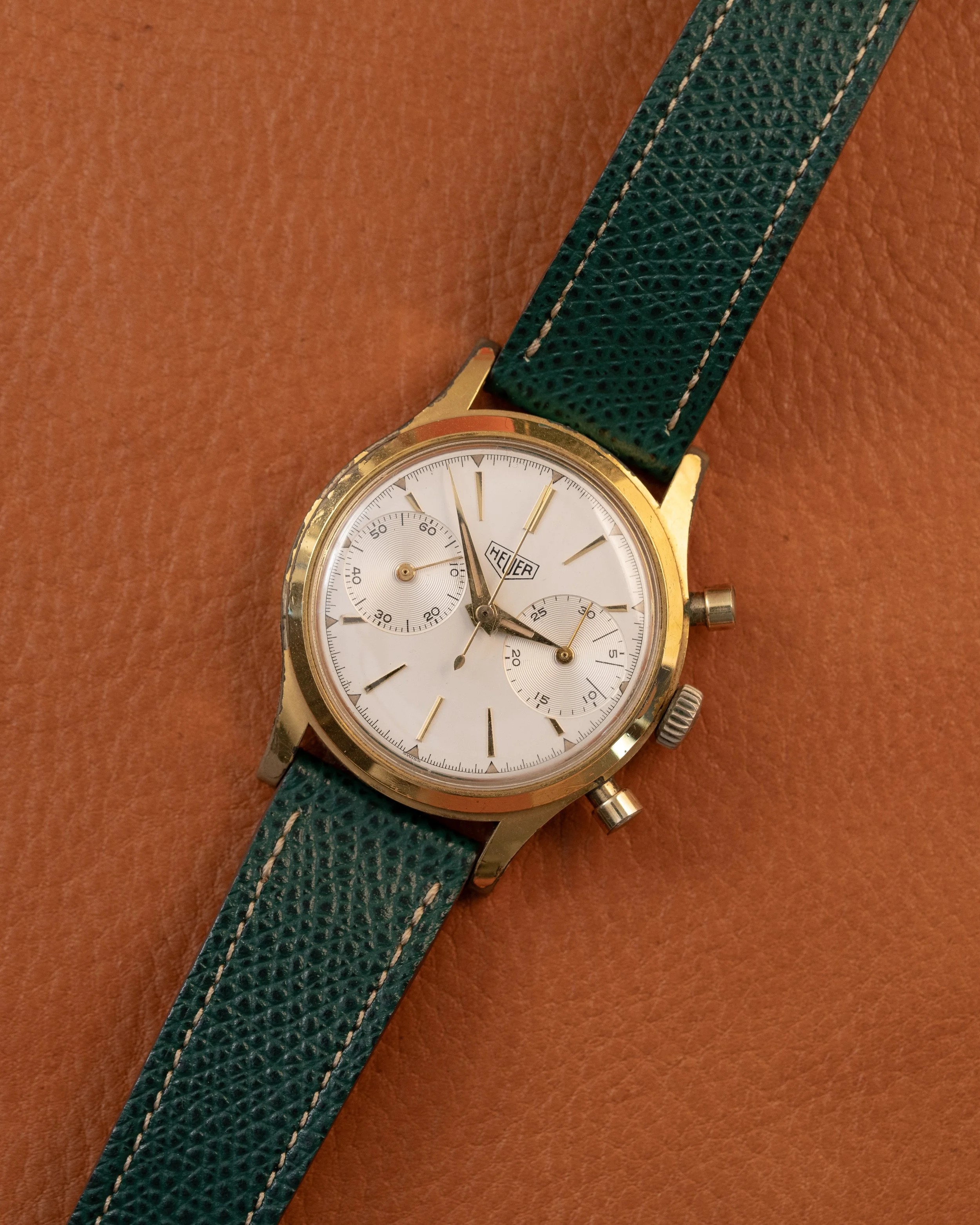
Compared to the watches themselves, leather straps are far less well documented. Pristine original examples are very rare, and it is more sensible to discuss decade-specific characteristics as general tendencies than as strict rules. Straps have usually come second to the watch itself, but they often better reflected the defining characteristics of the time in which they were born.
1930’s - Infancy
During the 1930’s, wristwatches were still working their way into everyday use, and straps were treated more as functional components than as design elements. Construction was simple, often relying on thin leather with minimal processing. Straps with little to no stitching - or with no visible taper - were not uncommon. In this context, function mattered more than refinement. Standardisation had not yet taken place.
1940’s - Emphasis on Practicality
The 1940’s was defined by a strong emphasis on practicality, shaped largely by wartime conditions. The mass production of military watches influenced strap design in very direct ways. Most importantly, there was the presumption that the straps would be frequently replaced.
Of course, straps are still considered to be consumables today, but in the 1940’s they were really not designed for long-term wear or preservation. This attitude manifests in the lightweight leather used, thin profiles, minimal finishing, and lack of reinforcement seen in most straps from the period.
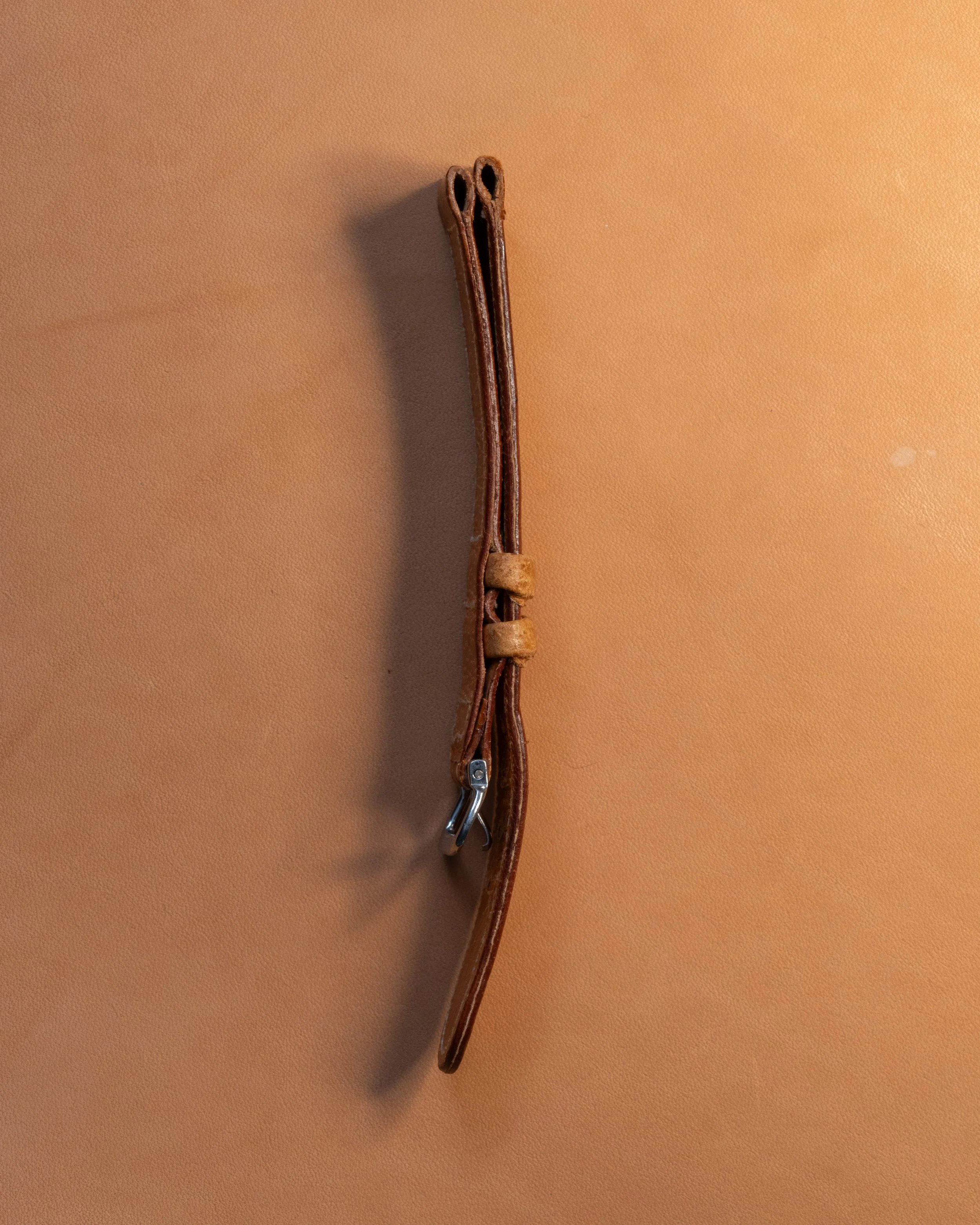
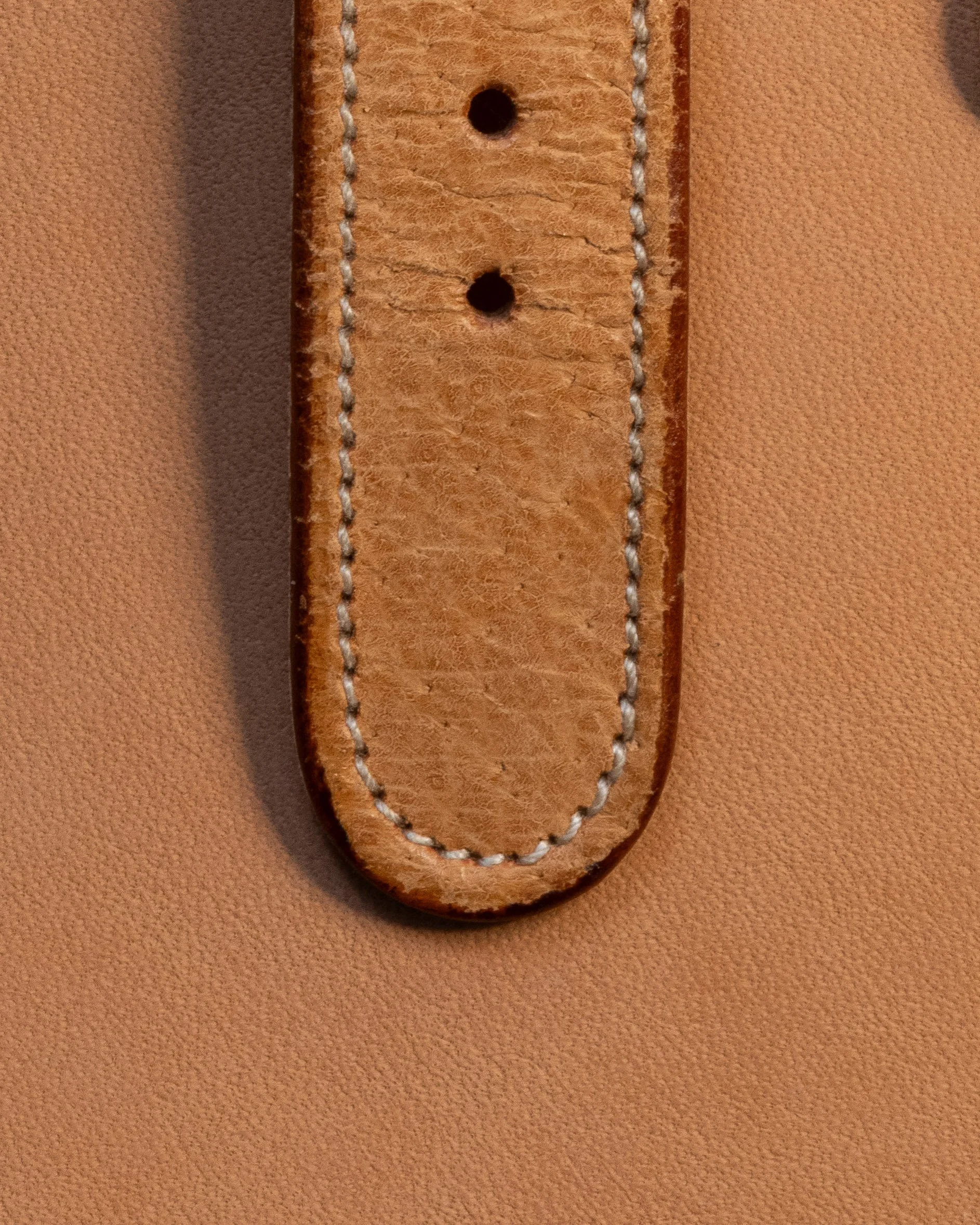
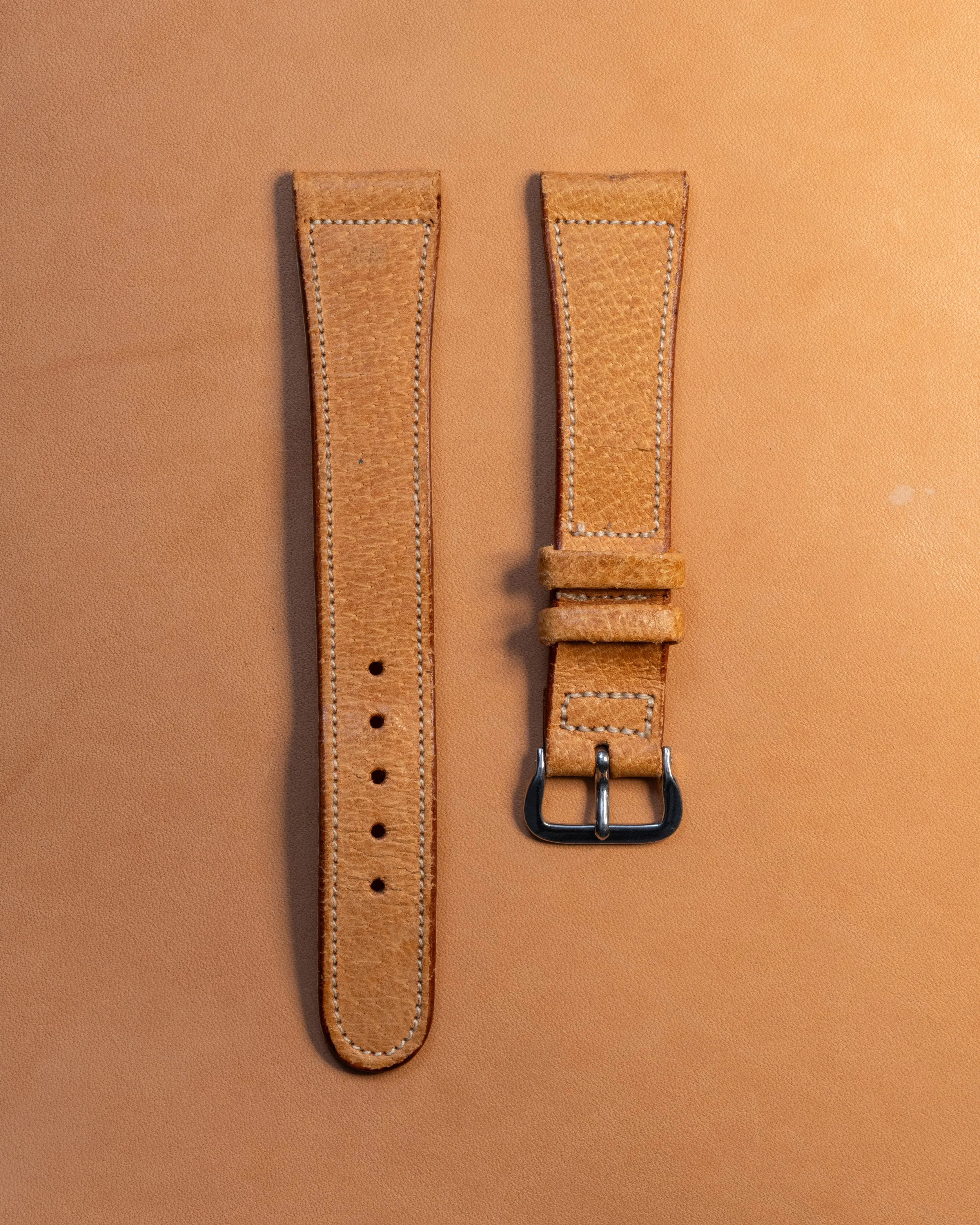
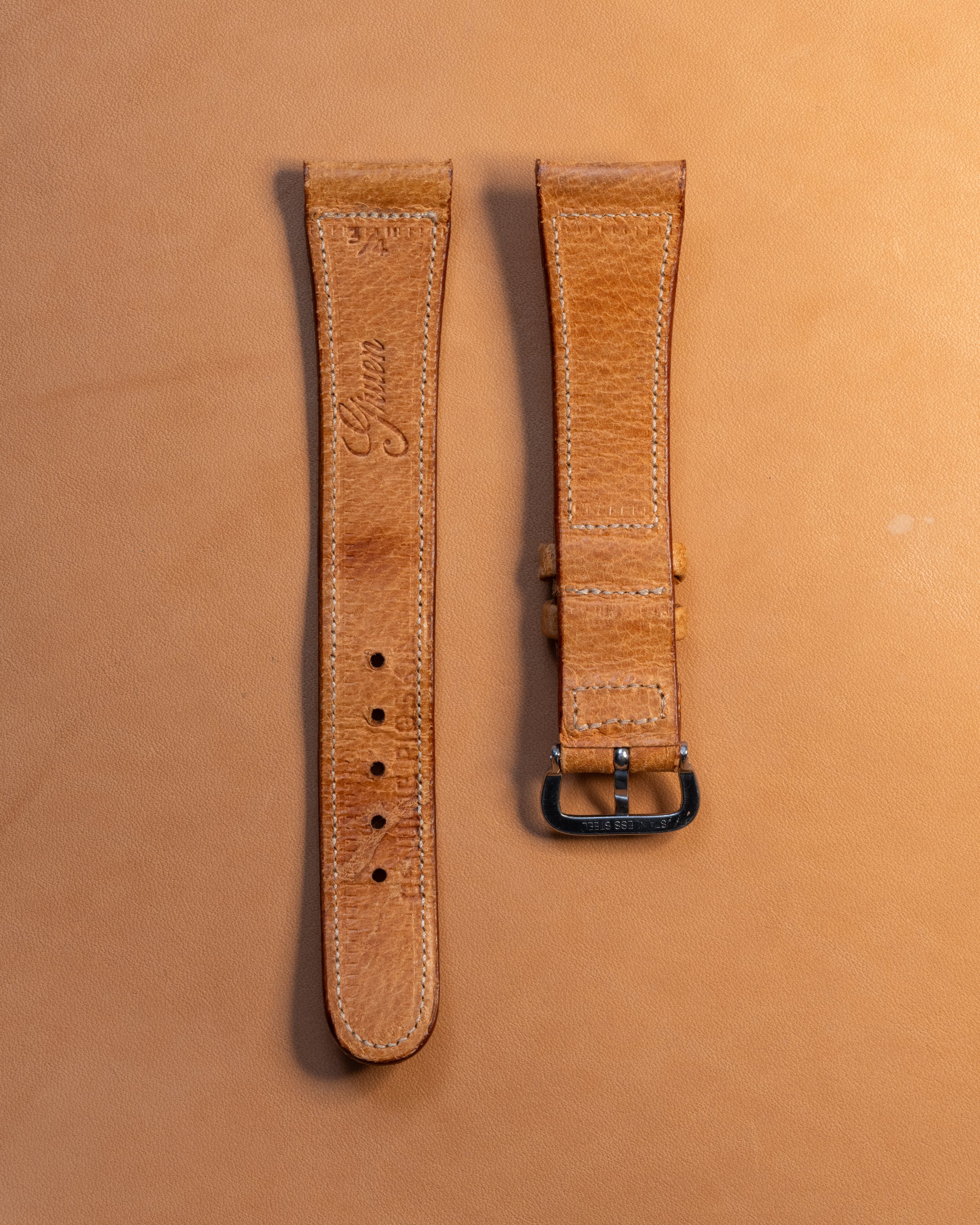
The rounded end often associated with straps from the 1940’s and the 1950’s fits neatly into that logic. Today, it is generally considered to be an element of vintage design, but it is better understood as a practical structural choice. With thin leather, little reinforcement, and no modern edge coating, the tip of the strap was one of the first areas to fail. Rounding the end helped reduce stress at the corners and add thereby enabled greater longevity and durability.
1950’s - Aesthetic Balance and Order
By the 1950’s, as postwar recovery took place and consumer markets expanded, straps began to look more composed and deliberate. Watches increasingly became personal possessions, and straps started to contribute more clearly to a watch’s overall impression. Defined tapering became more common, and edges were often finished naturally rather than sealed with glossy modern coatings. Straps remained relatively thin, but the balance between comfort and visual proportion became more intentional. In that sense, the 1950’s mark a meaningful shift.
1960’s - Diversification and Choices
In the 1960’s, as case designs and use cases diversified, straps followed suit. The growing popularity of chronographs and sports watches led to greater variety in strap shapes and leather choices. Straight-end straps became more common, and slightly thicker profiles became acceptable. There was not one right answer; instead, straps increasingly adapted to the character and purpose of the watch they were paired with.
1970’s - Major Shift in Perception
The 1970’s marked a major change in the role of the leather strap. The rise of steel bracelets, the increasing popularity of sports watches, and the market-disrupting arrival of quartz movements altered expectations entirely. Thicker straps emphasising durability became more common. Overall, leather was no longer the obvious default, but rather a choice.
Appreciating the Lineage
Looking across from the 1930’s to the 1970’s, it becomes clear that leather straps did not evolve according to a fixed rulebook. They changed in response to how watches were worn and what each era demanded. It is easy to judge them by modern standards, but that misses the point. These straps were simply appropriate solutions for their own time.
We should keep this in mind - and be mindful of the heritage and history - when wearing vintage watches today. We can wear a watch from the 1940’s, but using an original strap from that era is rarely practical in terms of hygiene and durability. In reality, modern straps made with modern materials are unavoidable.
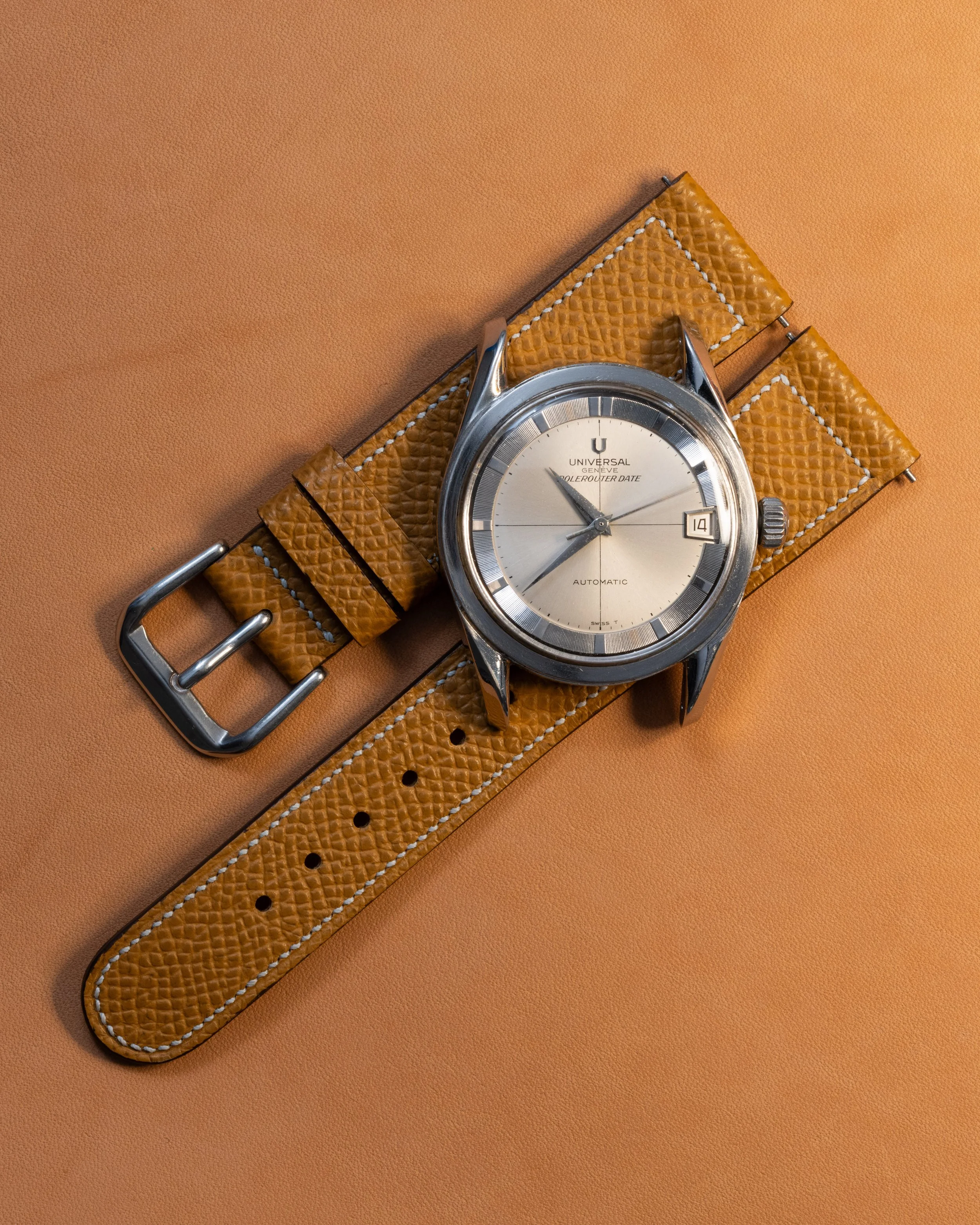
Modern materials can coexist with vintage sensibilities if overall proportions, pattern of taper, thickness, and finishing are handled with care. A strap that avoids excessive thickness, loud stitching, and artificial edge treatments carries respect for the design language of the time when the watch was manufactured and serves to connect the temporal gap.
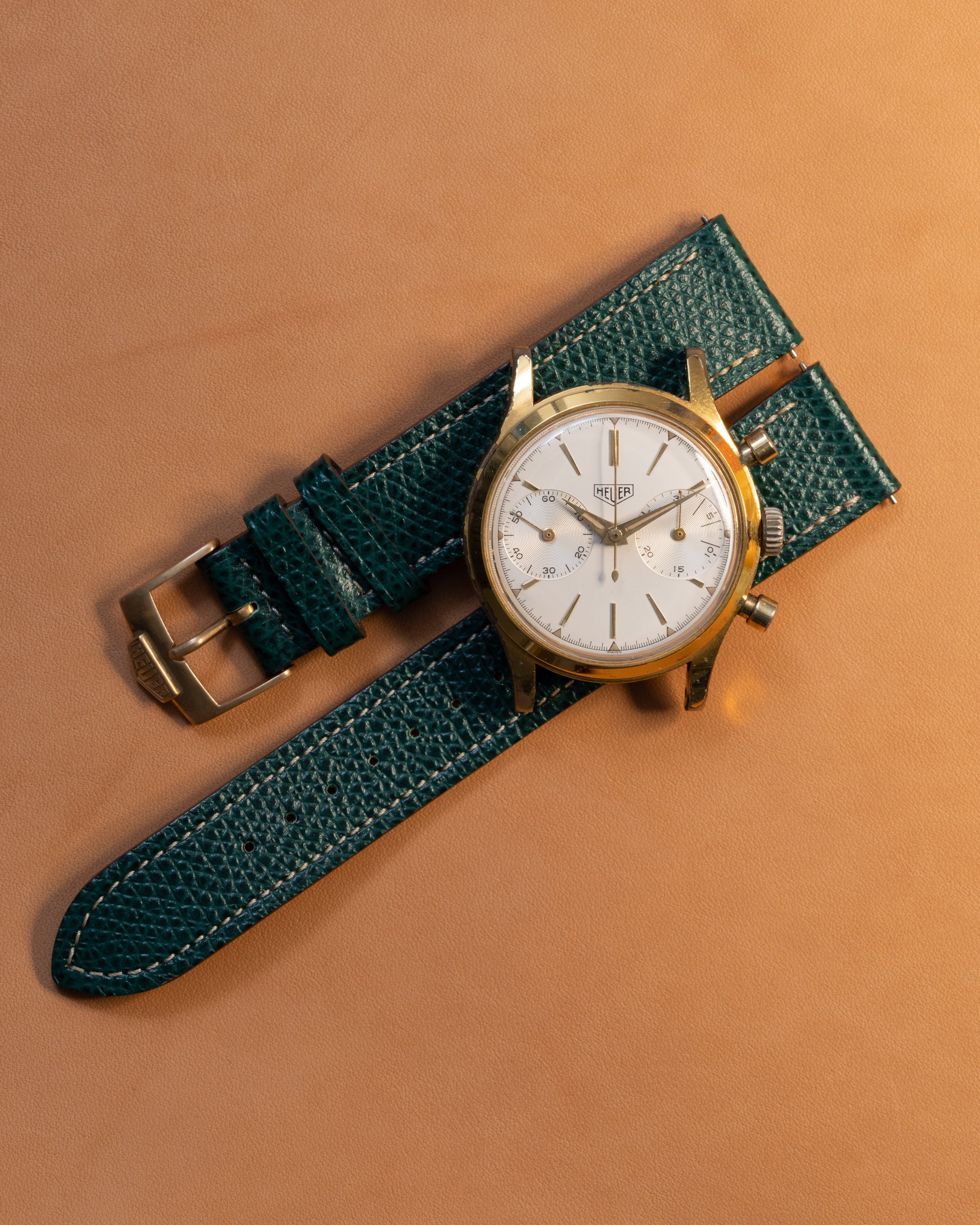
Perhaps enjoying vintage is not about perfectly recreating the past. Rather, it is more about carrying elements of it forward, thoughtfully, with present-day conditions in mind. From that perspective, the question becomes fairly simple: what kind of strap feels most organic on a vintage watch?
With this question, we transition to Part 2.